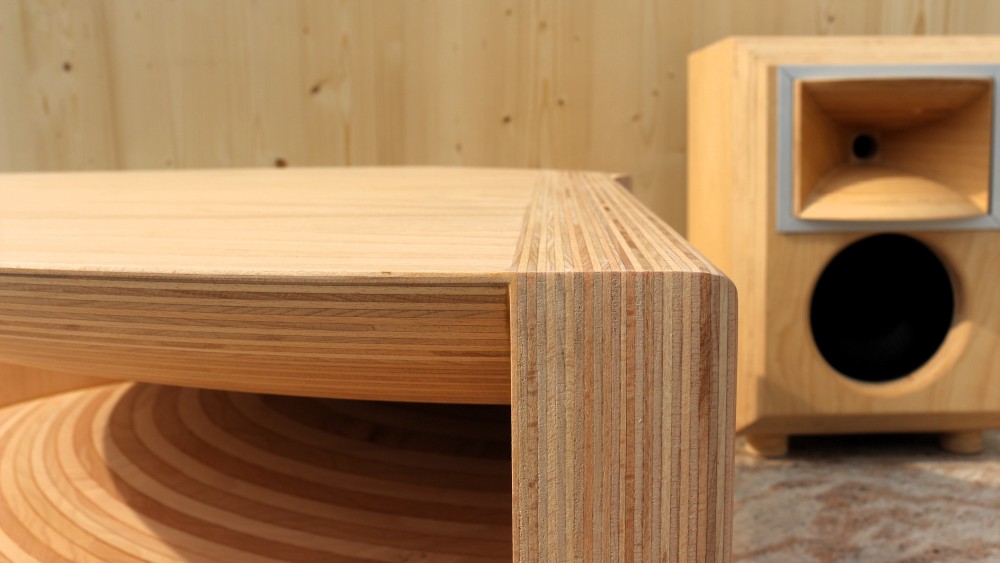
LMH - rTrak Horns
The classic.
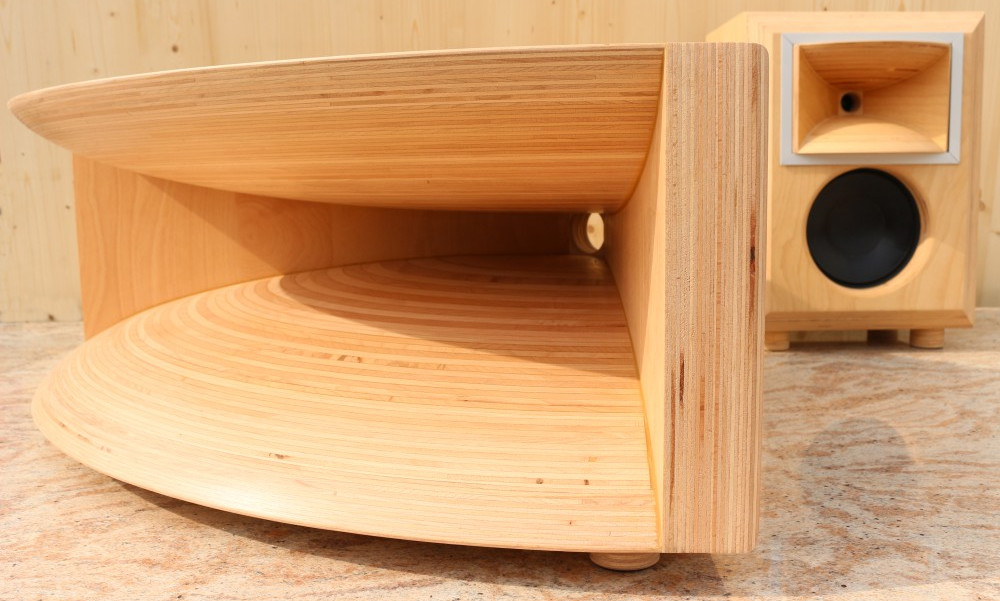
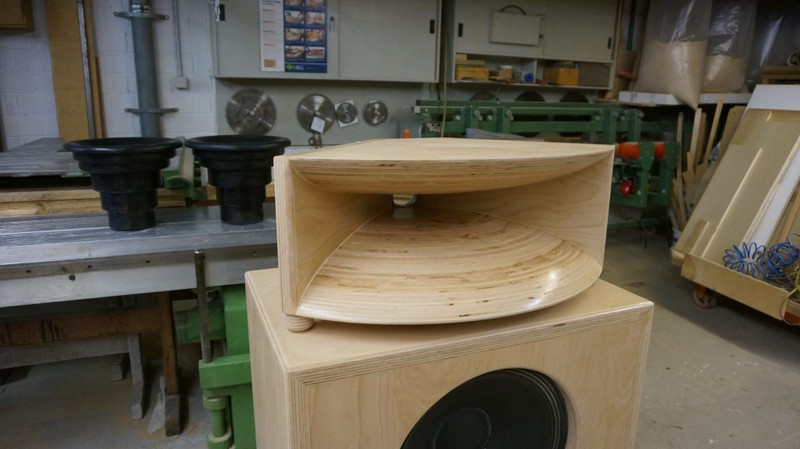
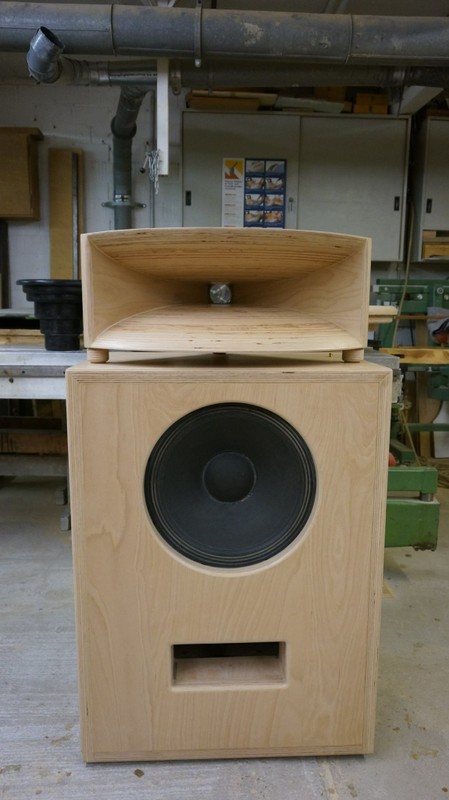
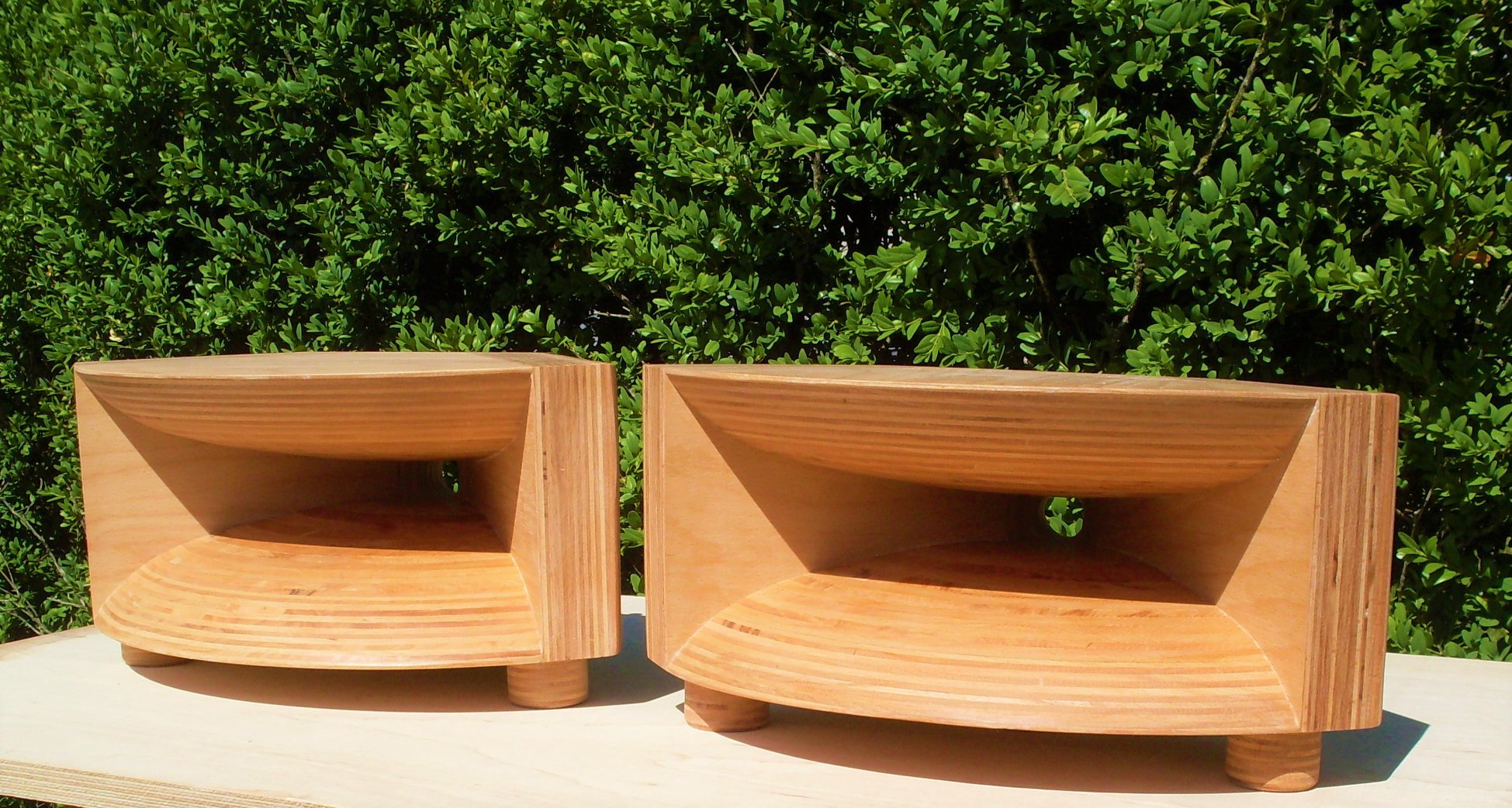
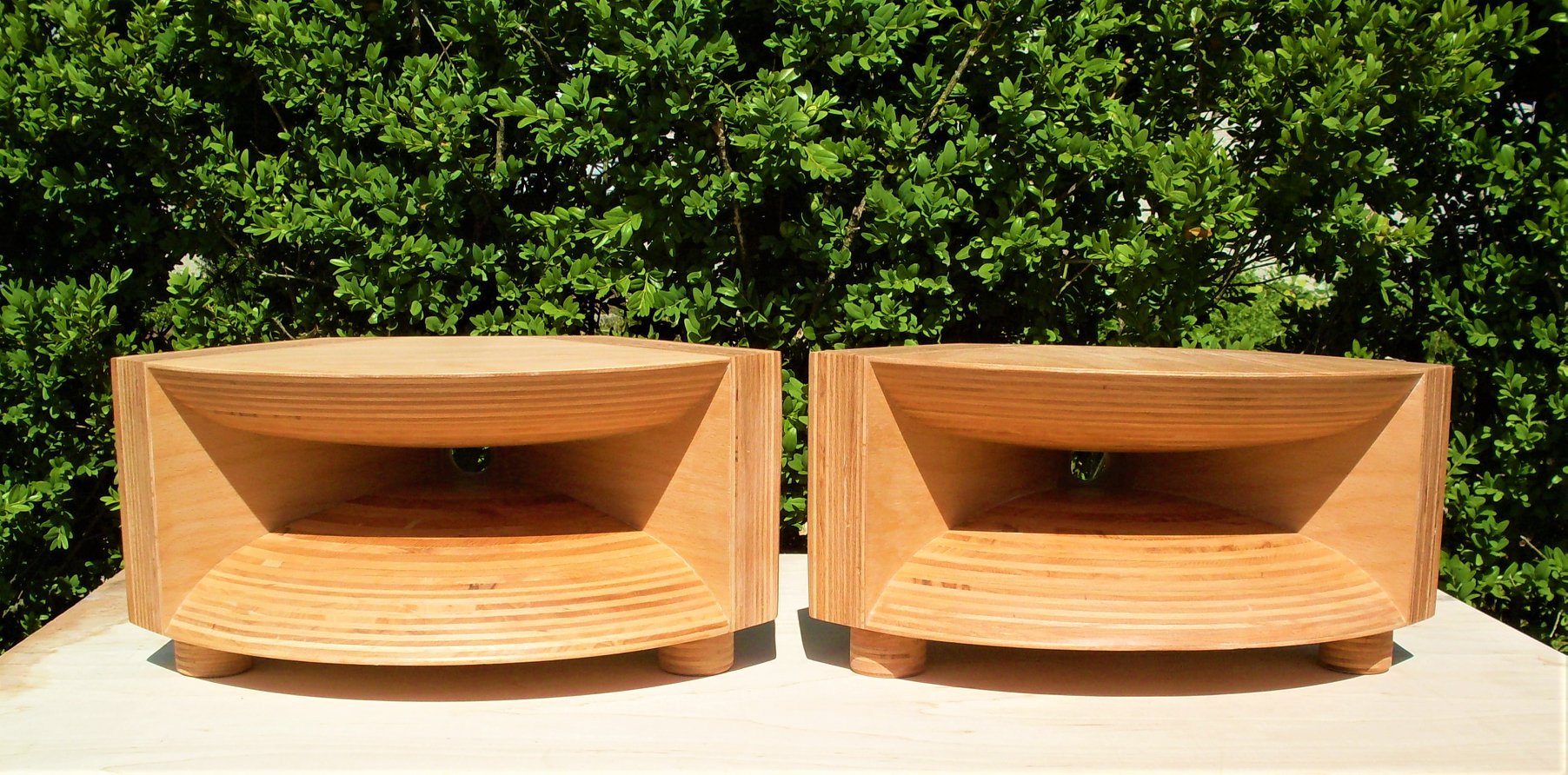
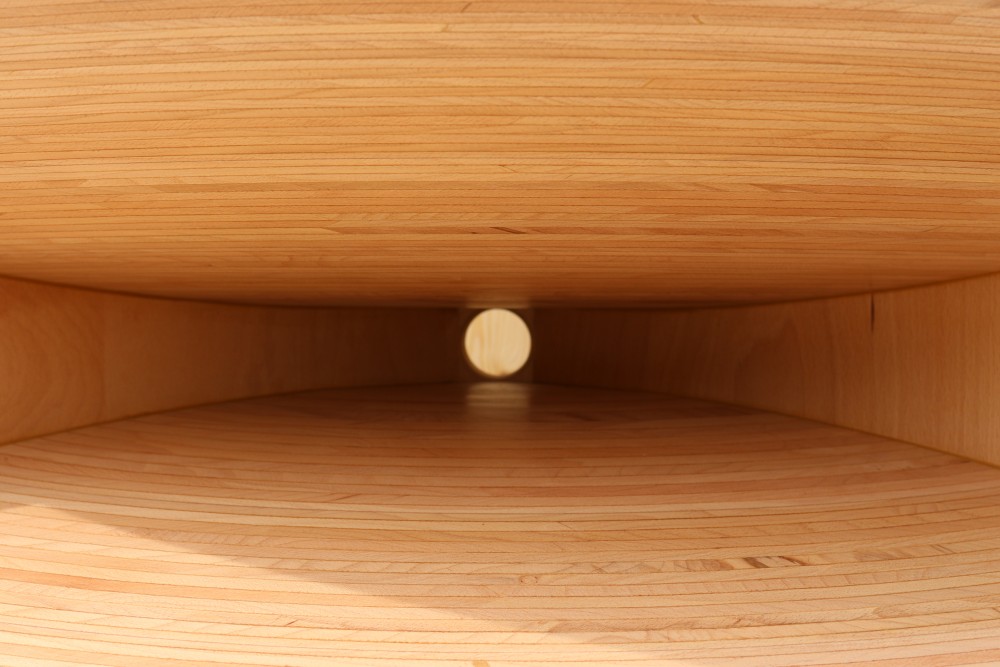
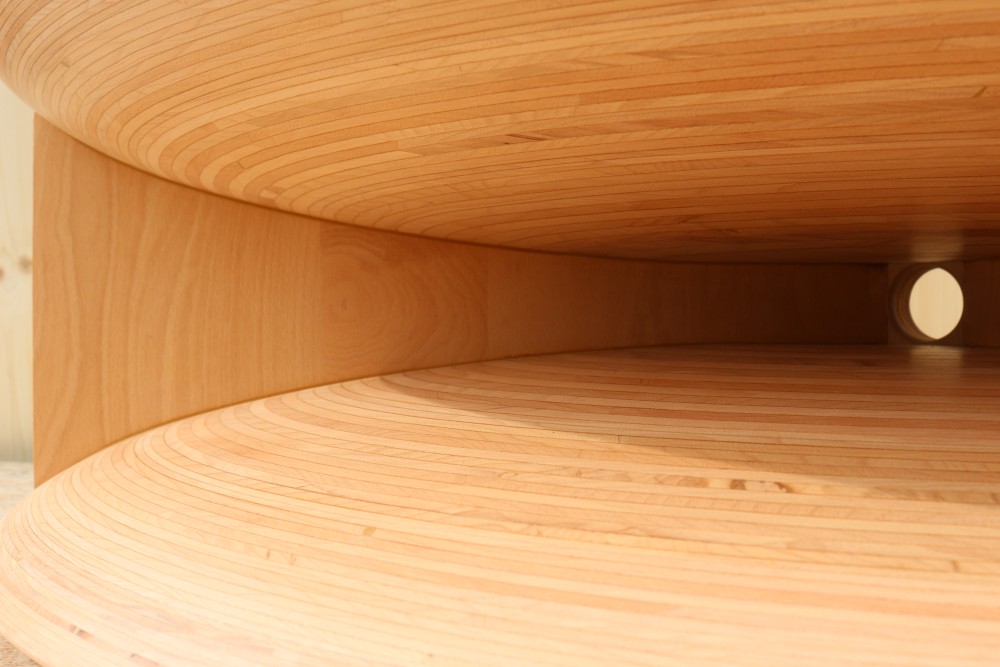
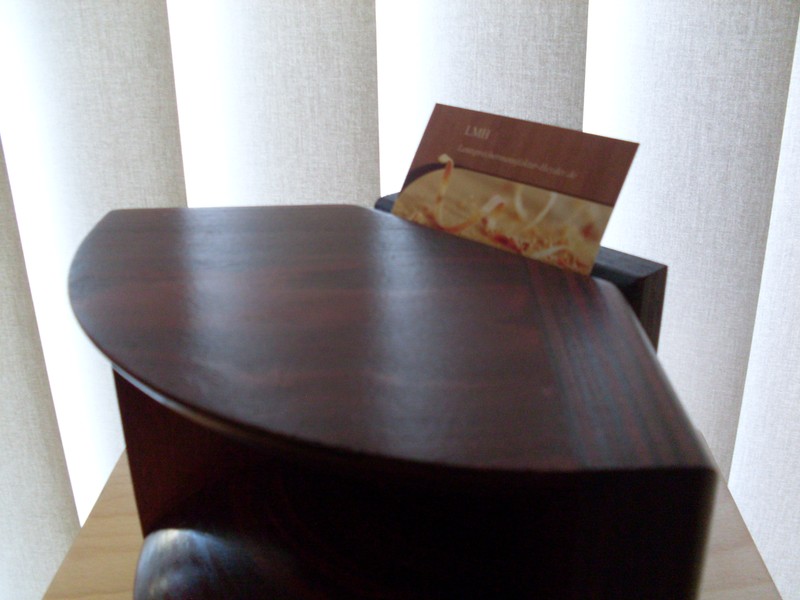
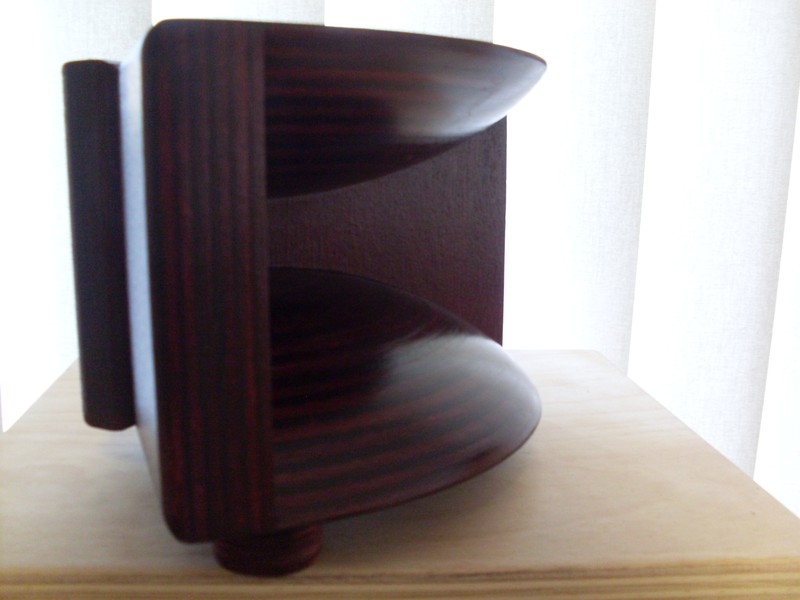
Highest quality Radial horns made of solid wood.
No resonances - no discoloration.


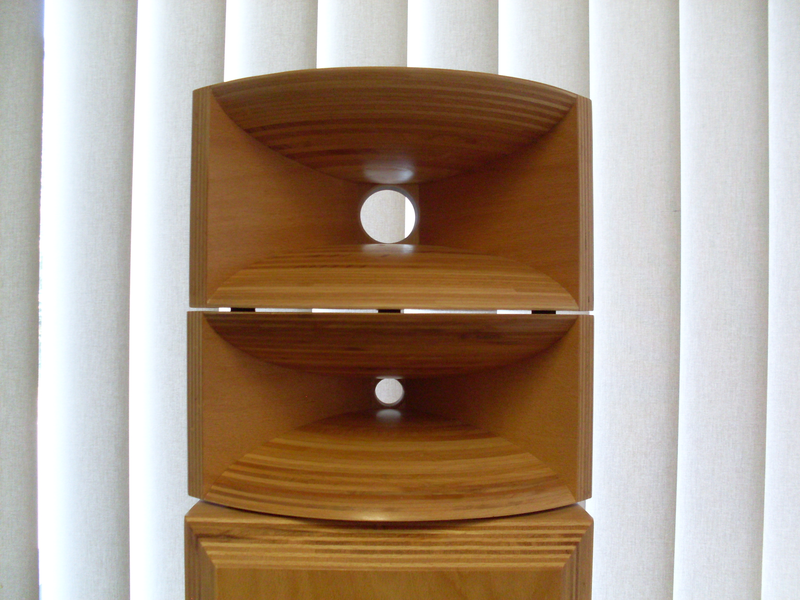
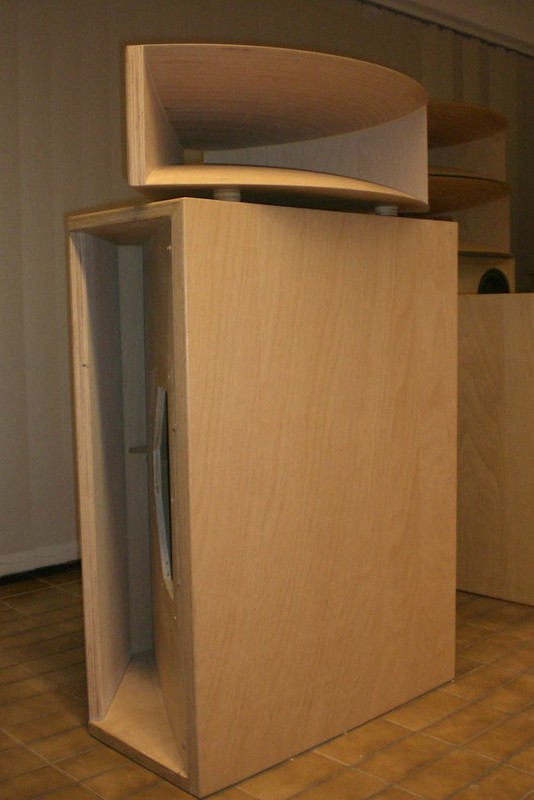
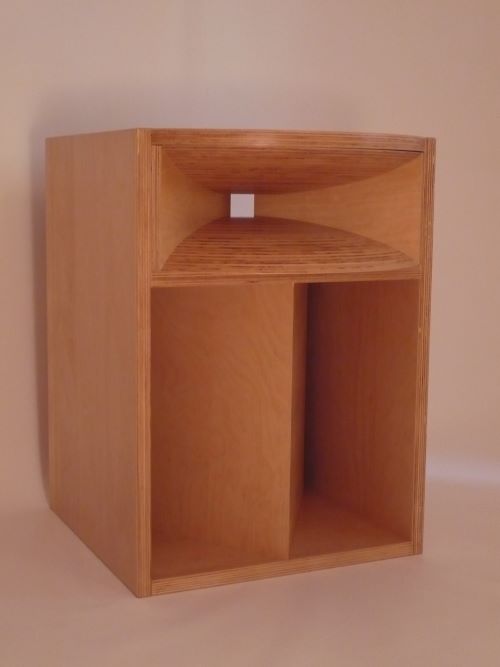
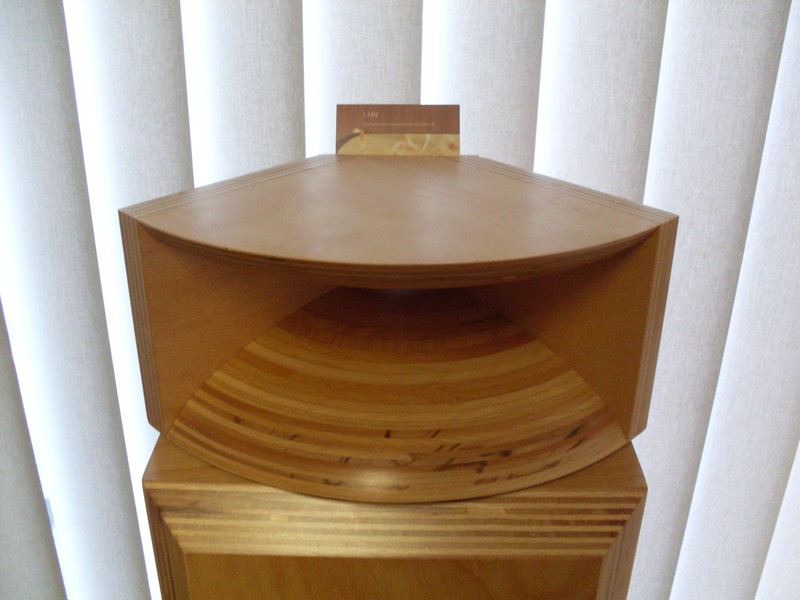
Radial mid-high horns of the highest quality, manufactured from solid wood in a process specially developed by us.
Made especially for you and individually adapted to your needs.


Construction
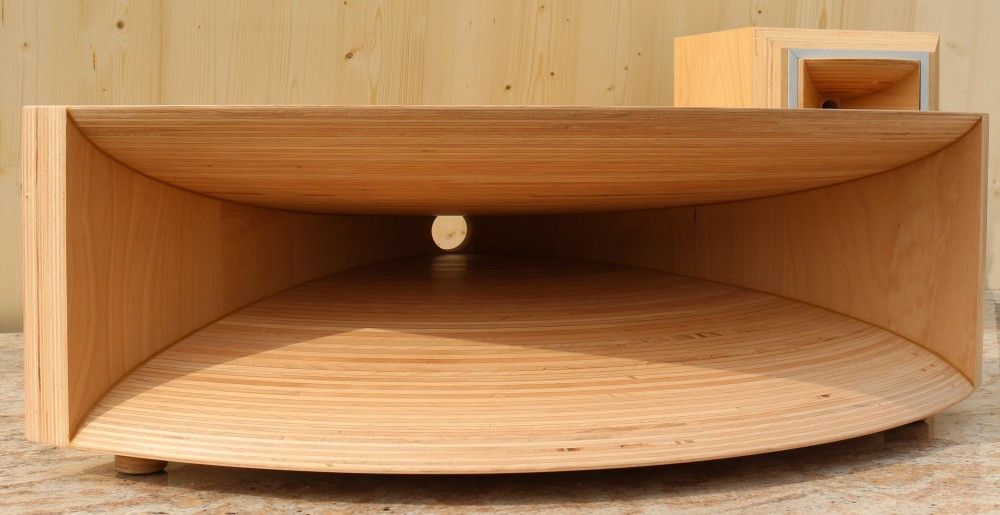
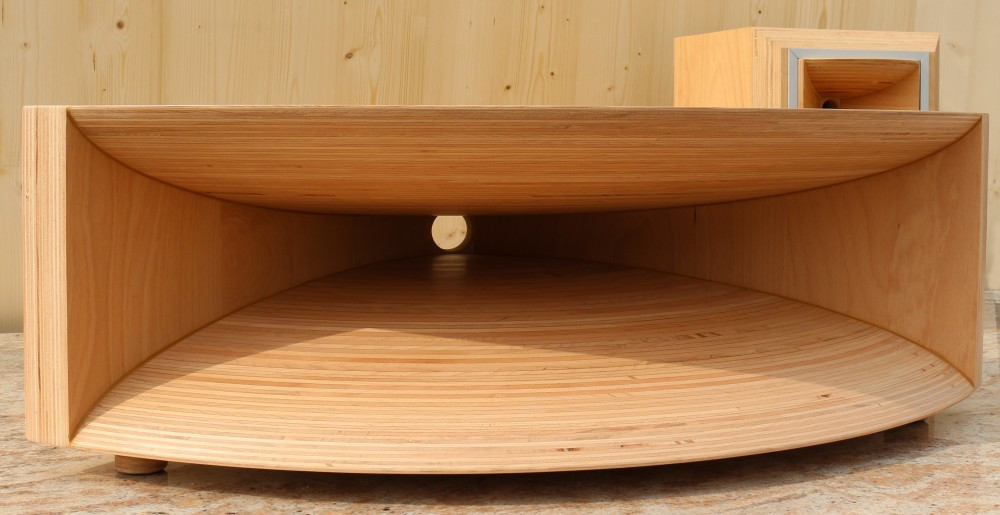
Radial horns made of solid wood. Absolutely low resonance - no more horn sound!

Radial horns made of solid wood. Absolutely low resonance - no more horn sound!
-
Whether in natura or elaborately stained and then sealed - you will be amazed!
-
Made especially for you and individually adapted to your needs.
-
Best raw material in AA quality (beech or birch multiplex knife veneered, biologically glued, others on request).
-
Professional processing in carpenter quality in our in-house manufacture in Stuttgart on specially developed high-performance milling machine.
-
In general, we pay strict attention to using only products that are absolutely harmless to health, such as organic waxes & oils.
Details
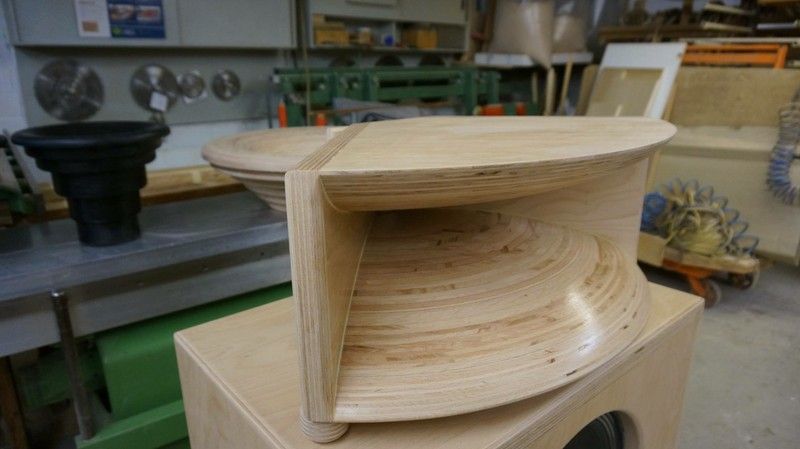

Das resonanzärmste Radial-Horn auf dem Makt.
- Brillante Mitten & Höhen bis weit über die menschl. Hörgrenze (mit geeignetem Treiber).
- ~ 30% längerer Hornverlauf / tieferer Cutoff im Vergleich zu ähnl. Hörnern.
- Optimierter Abstrahlwinkel und gleichmäßigeres Off-Axis Verhalten.
- Hervorragende Resonanzarmut durch kompromisslosen Materialeinsatz - kein typischer Hornklang mehr.
- Hohe Paargenauigkeit durch gefräste Hornkontur - perfekte Stereo- und Bühnenabbildung.
Edgeless Throat - Konstanz von Beginn an.
In den Hornverlauf sprunglos intergrierter Adapter - keine unerwünschten Halsreflektionen.

- Inkl. Adapterplatte zur Treibermontage und allem benötigtem Montagematerial.
- Direkte Aufnahme aller marktüblichen Druckkammertreiber - keine zusätzlichen Zwischenstücke o.Ä nötig.
- Wahlweise 1", 1.5" oder 2" Treiberanschluss. Auch für Sondergrößen / Breitbänder / Kalotten erhältlich.

Designs & Coulours
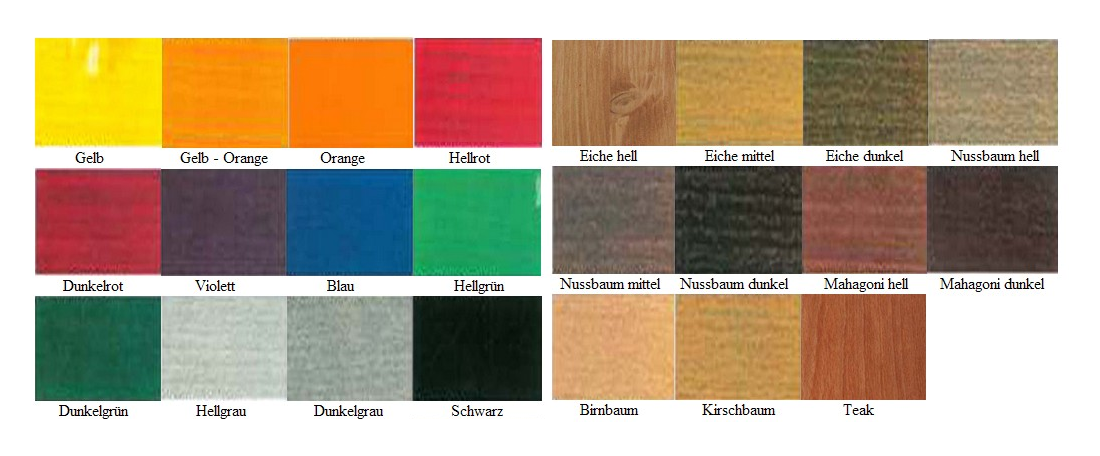
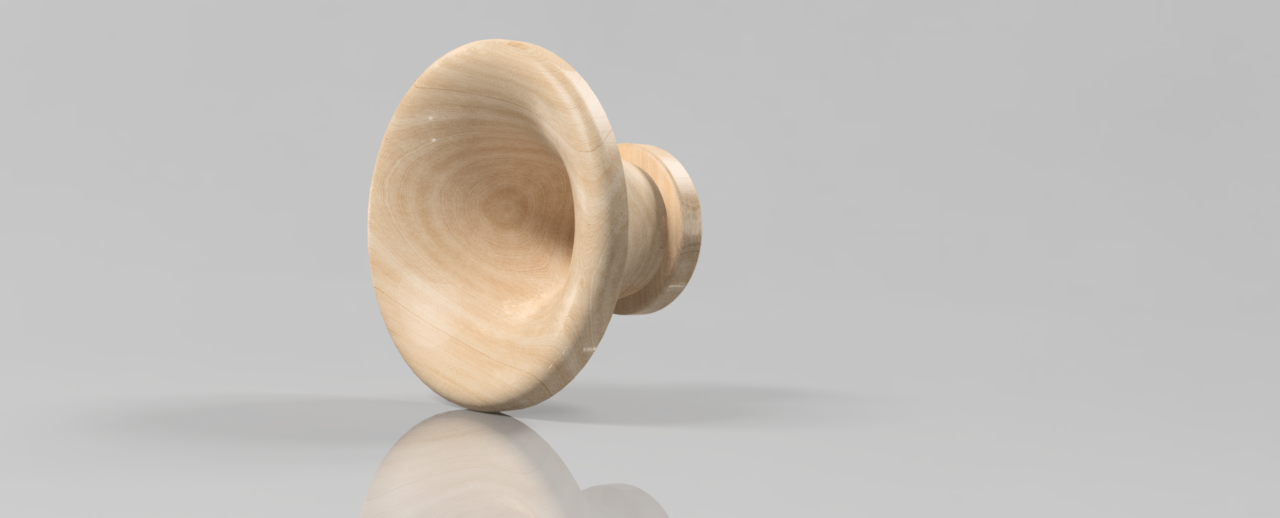
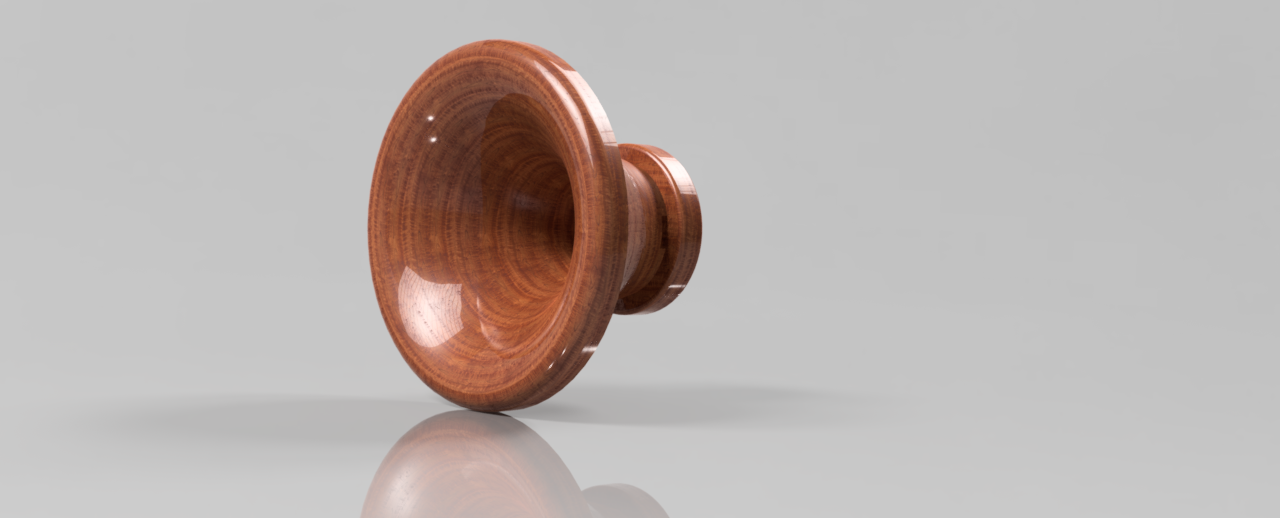
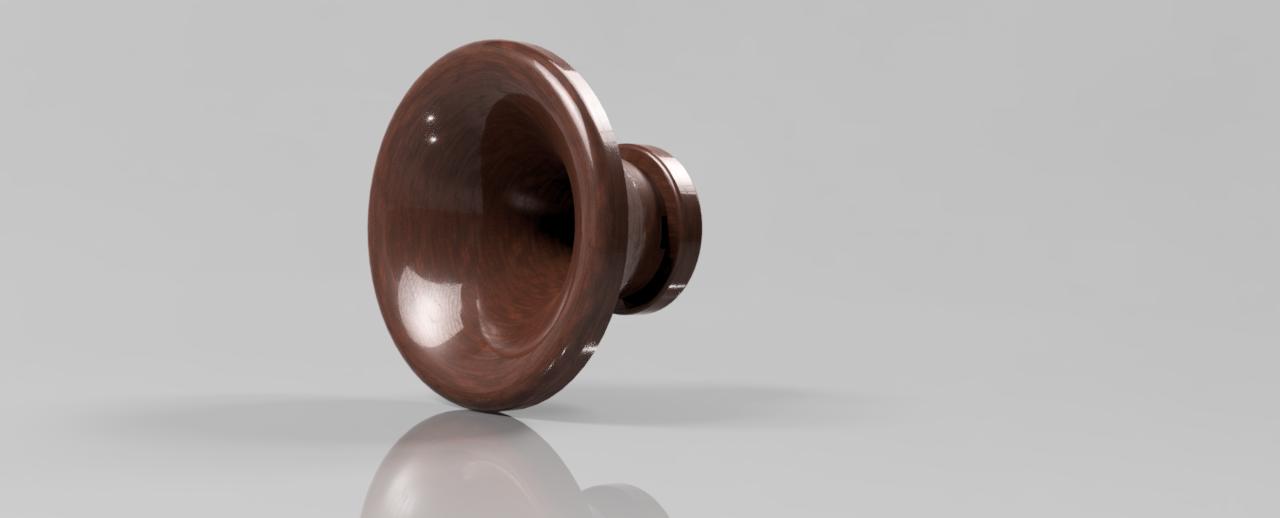
Our solid wood horns are available in these colors, among others.

Our solid wood horns are available in these colors, among others.
The blank is first deep dyed and then sealed.
For eternity.
Sizes
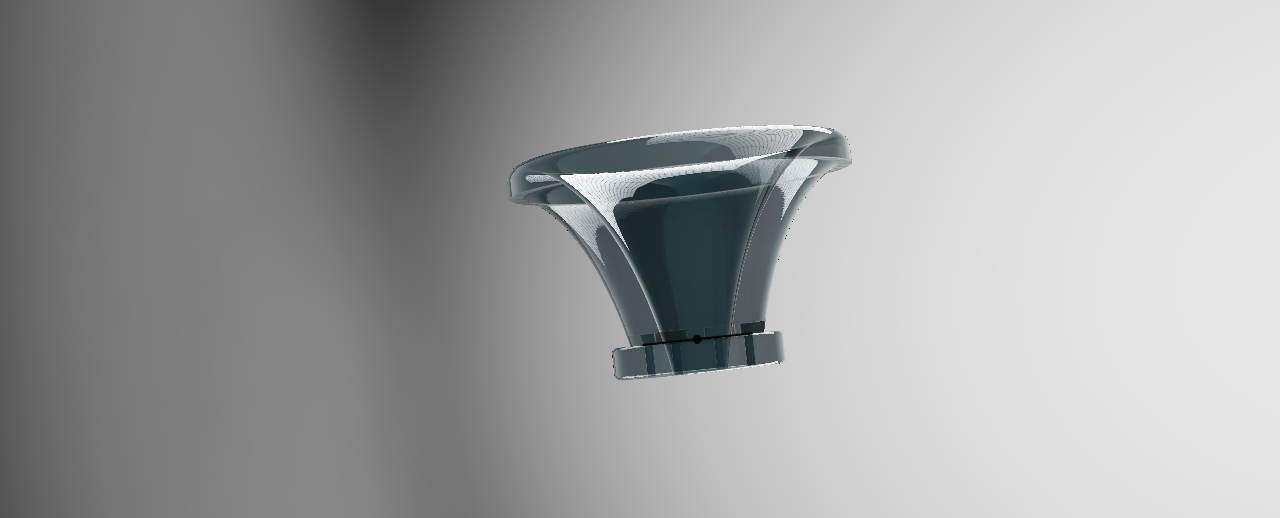

Sizes:
The version indicates the cutoff, i.e. the lower cutoff frequency. We recommend the use from approx. fc x >1.5 to achieve a frequency response as linear as possible.
| Version (Cutoff) |
Wide (ca.) | Hight (ca.) | Depth (ca.) | Weigth (Beech MPX, ca.) |
| 140Hz | 105cm | 35cm | 71cm | 46kg |
| 170Hz | 95cm | 30cm | 62cm | 38kg |
| 200Hz | 80cm | 30cm | 54cm | 22kg |
| 300Hz | 60cm | 23,5cm | 46cm | 16kg |
| 400Hz | 50cm | 23,5cm | 38cm | 11kg |
| 500Hz | 40cm | 17,5cm | 30cm | 8kg |
| 600Hz | 30cm | 16,5cm | 23cm | 4,5kg |
| 750Hz | 25cm | 15cm | 18cm | 3kg |
| 1000Hz | 20cm | 15cm | 15cm | 2kg |